
EMDR Therapy for Trauma · Seattle Metro
Trauma therapy that doesn't make you relive your story.
Process trauma through EMDR, not by telling your story over and over. Most insurance accepted.
Where does trauma show up most for you right now?
Because I want care that doesn't make me retell the worst thing.
Insurance Accepted
Yes, your insurance probably covers this.




- Kaiser Permanente logo
- Aetna logo
- Optum logo
- Cigna logo
We accept most major commercial insurance plans, including Kaiser Permanente, Aetna, Optum and Cigna. We'll verify your coverage during your first call with our intake team.
If this sounds familiar
Years of talking about it. Your body still bracing when nothing's wrong.
Most clients see themselves in more than one of these. Maybe the understanding came years ago. But the body never got the memo.
- Your body is still on alert (shoulders up, jaw tight, scanning the room) even when you're somewhere safe
- Sleep is the first thing that breaks (nightmares, waking flooded, never quite dropping into rest)
- You shut down or go numb in conversations that matter, and the people closest to you have started to feel the distance
- You've done years of talk therapy, can describe what happened in detail, and still cannot get your nervous system to land
- You've tried to find a trauma therapist who takes your insurance and won't make you start from the beginning, and it's been nothing but waitlists
Because I want care that meets the body, not just the memory.
What's possible
A nervous system that finally settles. A plan that doesn't ask you to relive your story.
Clients describe what changes first as the body softening: real sleep, less bracing, room to breathe again in the conversations that used to shut them down.
- Sleep returning before the work is anywhere close to done, because the body settles before the story does
- Getting through a normal day without the dread, because your nervous system isn't scanning for the next hit
- Feeling close to your partner again, because shutdown has somewhere to go besides the wall it's been hitting
Because I want my body to land, not just my story.

How it works
One step from you. Here's what we do next.
From quiz to first appointment in the same week. Kaiser, Aetna, Optum and Cigna accepted.
-
Take the short quiz
Five quick questions about how trauma shows up for you now and what kind of care fits. Never about what happened. About one minute.
-
We'll reach out within one business day
A real person calls to verify your insurance, answer questions and walk through which trauma therapist on our team is the best fit for what you're looking for.
-
Meet your therapist in the same week
Telehealth across Washington or in-person in Seattle, Burien or Arlington. A first appointment that doesn't require you to start from the beginning.
Because I want a clear path, not another waitlist.
What stands behind every plan
Not optional add-ons. Just how we work.
- EMDR-Trained Team
- Body-First, Paced Care
- Same Therapist Every Session
- Kaiser · Aetna · Optum · Cigna
- Modality Match at Intake
What you'll find here
Trauma therapy that works with the body, not just the memory.
An EMDR-trained team with IFS, somatic and polyvagal modalities on the menu, matched to how trauma is actually showing up. The kind of trauma care most Seattle specialists make you pay out-of-pocket for.
-
EMDR-trained and trauma-specialized, with insurance
Most of our trauma therapists are trained in EMDR, the most-researched body-based protocol for trauma. Others bring TF-CBT, somatic and IFS approaches. Most Seattle trauma specialists don't take insurance. We do.
-
Body-first, nervous-system-aware care
Talk therapy assumes the story is the work. For trauma, that's often where care goes wrong. Our team works with the body alongside the narrative, so the nervous system has room to actually settle.
-
You set the pace, every step
With EMDR and somatic approaches, the body leads. You don't have to start at the worst memory. You don't have to talk about it at all in early sessions if that's not what your nervous system needs. Pacing is the client's call.
Because I want trauma care that takes my body seriously.
How we compare
Counseling Services for Wellbeing Trauma Therapy vs. the other options on your screen
| Counseling Services for Wellbeing | Cash-Pay EMDR Specialists | Online-Only Therapy Platforms | |
|---|---|---|---|
| Time to first appointment | Same-week availability | Four to six weeks, often longer | Days to weeks, varies |
| Insurance accepted | Kaiser, Aetna, Optum, Cigna | Out-of-pocket, partial reimbursement | Some plans, often partial |
| EMDR availability | Trained on every trauma therapist | Yes, but out-of-pocket | Rare, depends on the therapist drawn |
| Body-based modalities offered | IFS, somatic, polyvagal options | Varies by single practitioner | Talk therapy only, in most cases |
| Provider continuity | Stay with the same therapist | Yes, when you can get on the schedule | Rotating therapists common |
Real Clients
From clients who'd been let down before
What it feels like to finally land somewhere that fits.
Shelly
Hope and the courage to overcome
I have had counselors off and on throughout the years. My counselor is Christopher Carver and he has helped me more than any counselor I have ever worked with. Because of Christopher, I am a stronger person. He has given me hope, and the courage to overcome the trauma I have experienced in my life. I am very thankful to have him as my counselor.
Corina
Felt lighter after the first session
I felt overwhelmed telling my story that I had to remember to breathe calming myself down. Trying to calm myself down with breathing techniques I can't believe it has been a little over an hour but I felt lighter. A weight lifted off me. Thank you Katie for listening.
Verified Client
First time speaking with a therapist
I recently finished up my sessions. This was my first time speaking with a therapist so I wasn't sure what to expect, but I found the experience extremely rewarding and helpful. My therapist was able to provide unbiased insight and is very understanding, empathetic, and overall a great listener. Without her, I don't think I would have been able to move past what I was working through.
Cliff
A safe, supportive, real space
I've been loving my time with Brianna Lillibridge, working with them has been a game-changer. They create a space that feels safe, supportive, and real. Grateful to have found them!
Verified Client
Found a real fit after a decade of searching
After a decade of attempting to find a mental health provider that I feel comfortable, I found two at Counseling Services for Wellbeing. I'm very happy with them and couldn't recommend them more.
Bobellina
A counselor I'm finally comfortable with
I am very comfortable with my counselor, and the service I have received from every employee here is far more than I expected.

Care that meets the body. Insurance accepted. Same-week appointments available.
Meet the team
Trauma therapists you can match with
Our trauma team mixes EMDR-trained therapists with clinicians using TF-CBT, somatic and IFS approaches.
Because I want a therapist who actually works with the body.
Where we see clients
Three Seattle metro offices, plus telehealth across Washington
Most clients meet their trauma therapist at our Greenlake, Burien or Smokey Point office, or over secure video from anywhere in the state. For trauma work, the in-person option matters: some clients need a real room and a real couch to feel grounded, especially for body-based work. Telehealth is the right answer for others, especially the days getting to an office isn't realistic.
-
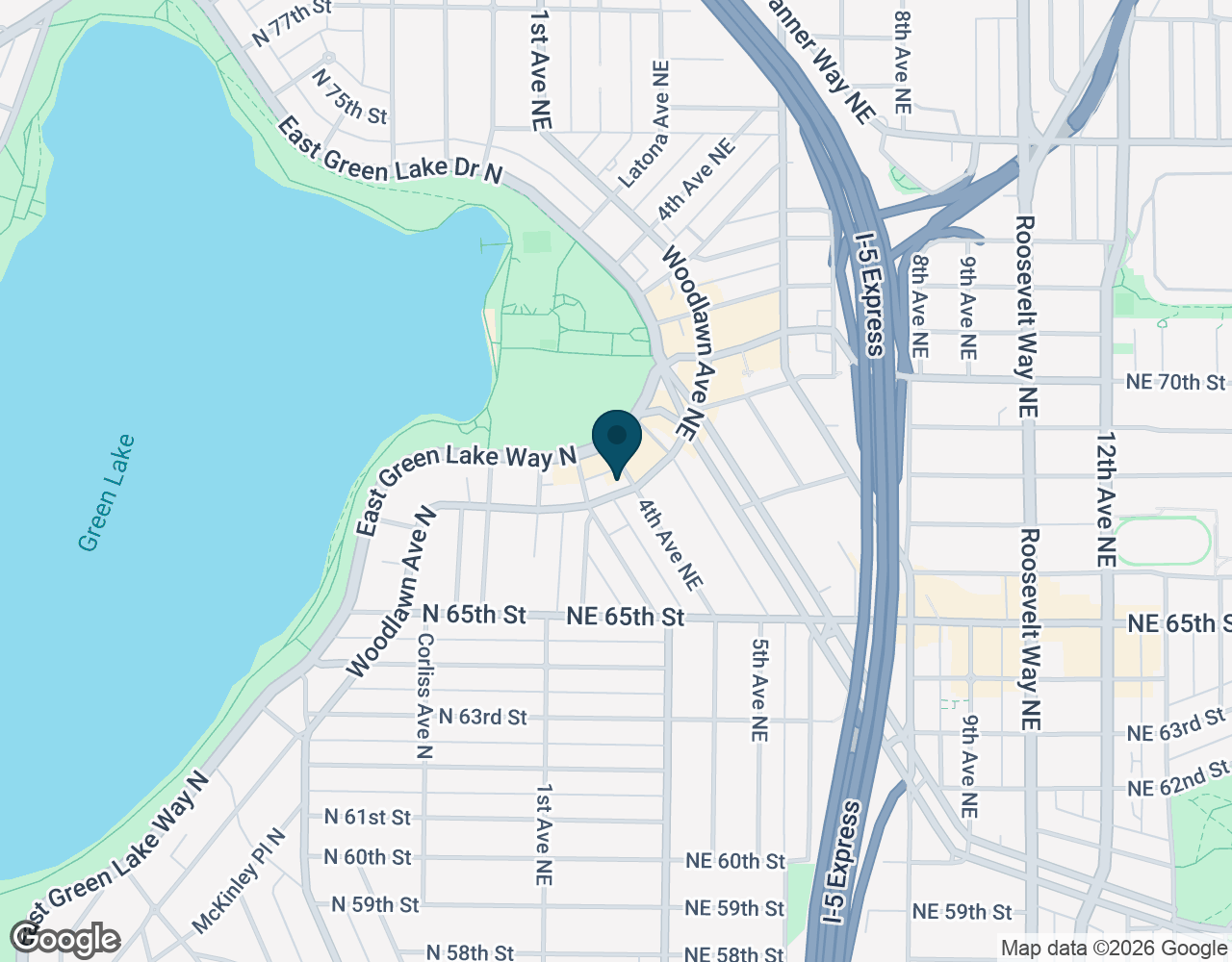
Seattle (Greenlake) Office
6869 Woodlawn Ave NE #110
Seattle, WA 98115
Located in Seattle’s Green Lake neighborhood.
-
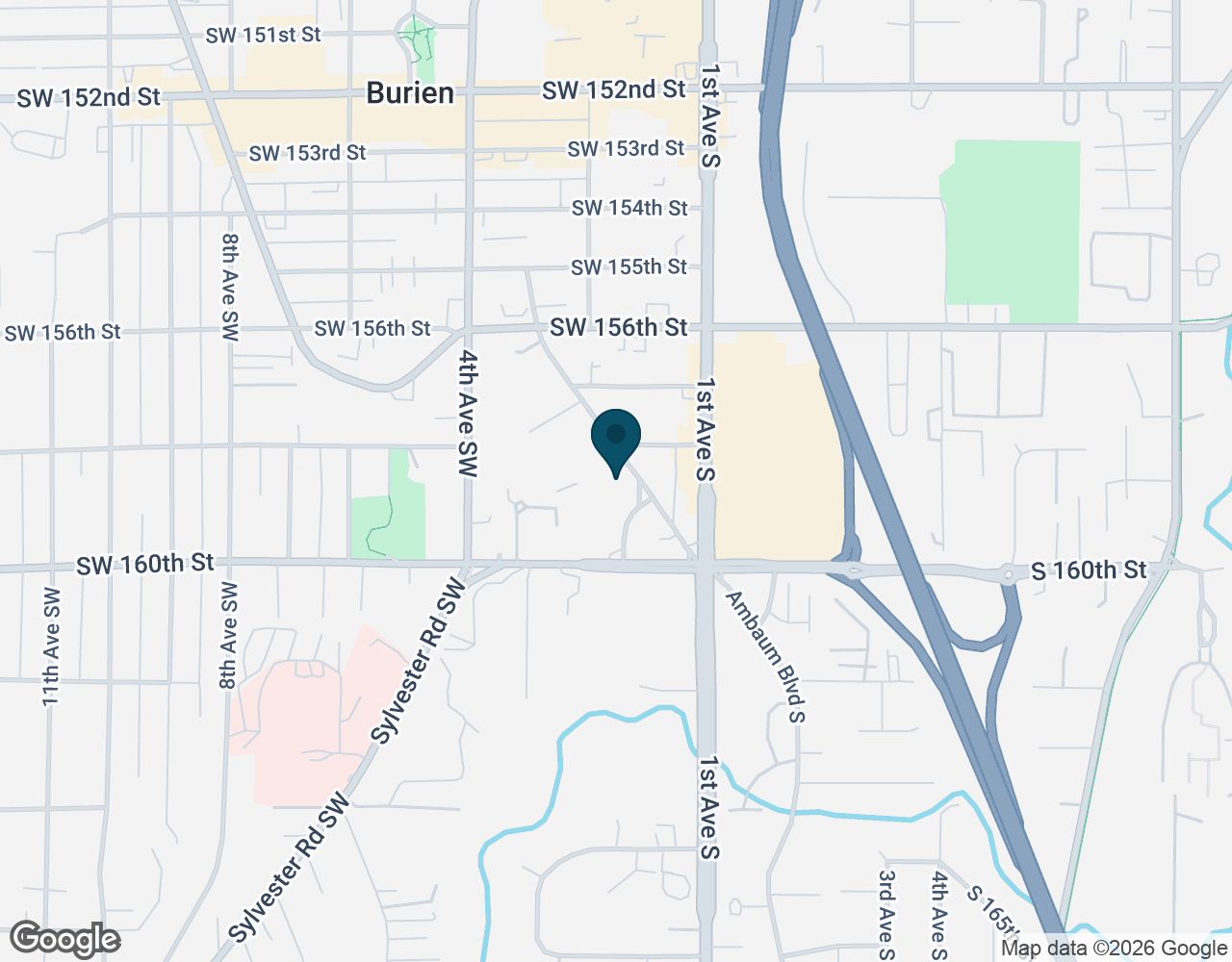
Burien Office
15811 Ambaum Blvd SW, Suite 110
Burien, WA 98166
Serving south King County.
-

Smokey Point Office
3402 173rd Pl NE, Suite 201
Arlington, WA 98223
Serving north King and Snohomish County.
Because I want trauma care that fits how I live.
FAQs
Clients frequently ask us
Do you actually take my insurance?
We accept Kaiser Permanente, Aetna, Optum and Cigna. Most Seattle trauma specialists don't take insurance, which means out-of-pocket fees and partial reimbursement at best. Our intake team verifies your specific plan during the first call, before your first appointment, so there are no surprise bills.
How fast can I really be seen?
Most clients see their trauma therapist within the same week of their intake call. That's not same-day and it's not a marketing line. It's the standard cadence the practice runs at, made possible by an EMDR-trained trauma team across three offices plus telehealth.
What is EMDR, in plain language?
EMDR stands for eye movement desensitization and reprocessing. It uses bilateral stimulation (eye movements, taps or sounds) to help the brain reprocess memories that got stuck. The work doesn't require detailed retelling of what happened. It's the most-researched body-based trauma protocol and the gold standard for PTSD treatment.
Will EMDR work over telehealth?
Yes. EMDR is delivered over secure video using on-screen bilateral stimulation, and outcomes track with in-person delivery in the research. Some clients still prefer in-person for the physical grounding. Either way, your therapist will talk through the format that fits before the first session.
Will I have to retell the worst thing that happened?
No. Body-based trauma protocols (EMDR, somatic, IFS) work with how trauma is showing up now in your nervous system, not the detailed narrative of what happened. You're in charge of how much detail you share, and it's almost always less than people expect.
I've done years of talk therapy already. Is this different?
Yes, and that's the most common starting point for our clients. Talk therapy assumes the story is the work. For trauma, the body keeps the score, and describing what happened often doesn't change what your body does about it. The body-based modalities our team is trained in are designed for exactly this gap.
What does the first appointment look like?
A real intake with time for what you're working with, what you've already tried and what kind of care fits. Not a forced retelling of the trauma. You'll leave with a clear sense of which modality your therapist plans to use, the cadence of follow-ups and how the work moves forward.
How do I know if EMDR is right for me?
If years of talk therapy haven't shifted it, or if your symptoms live more in your body than in your thoughts, EMDR is usually a strong fit. If you'd rather start with parts work or pure somatic regulation, our team has those options too. The intake call is where the matching happens.
Ready when you are
Get matched with a trauma therapist in 60 seconds
Where does trauma show up most for you right now?